
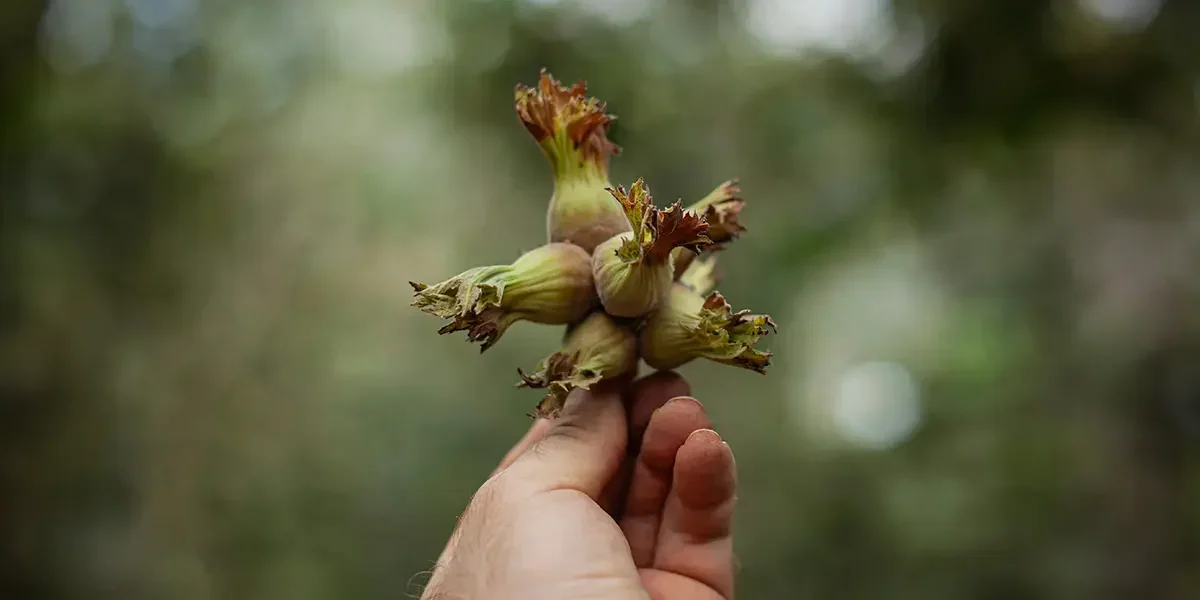
In the hedgerows of Kent and the pages of history books, cobnuts have been quietly growing, gathered, and enjoyed for centuries. But in recent years, something unexpected has happened: cobnuts are making a comeback.
A Nut with a Rich History
Long before global trade brought us almonds and cashews, cobnuts were Britain’s go-to tree nut. Particularly popular in the 19th century, Kentish cobnuts were once exported across Europe and used extensively in baking, confectionery, and snacking.
Though demand dipped post-war as tastes changed and industrial agriculture took over, traditional cobnut orchards – also known as plats – never disappeared. Many were maintained by families or smallholders who recognised their cultural value, even when they were no longer commercially viable.
Today, that tide is turning.
More Than Just a Tasty Snack
Cobnuts aren’t just delicious. They’re nutrient-rich, high in protein, fibre, and heart-healthy fats. Because they’re grown and harvested here in the UK – typically by hand – they also offer a low-carbon, low-mileage alternative to imported nuts.
Their unique flavour – somewhere between a fresh hazelnut and something slightly earthy and green – makes them ideal for both sweet and savoury dishes. Think chocolate pralines, pestos, roasted veg, and artisan breads.
Bringing the Crop Back to Life
A growing number of small-scale farmers, landowners, and food artisans are helping re-establish cobnuts as a viable crop. The Kentish Cobnuts Association plays a key role here—connecting growers, sharing knowledge, and helping raise awareness of what cobnuts offer.
Farmers markets, seasonal recipe books, and even social media are now playing their part. As more people look to reconnect with local, seasonal produce, cobnuts fit perfectly into the slow food and heritage crop movements.
“Customers love the story behind the cobnut. It’s not just another nut – it’s part of our landscape and our food heritage,” says one KCA member.
Where Next?
Could we see a cobnut renaissance in British farming? If the last few years are anything to go by, the answer might be yes. With the right support, education, and awareness, cobnuts could once again become a familiar sight in kitchens and orchards alike.
Want to be part of the journey? Whether you’re a grower, a foodie, or just curious, consider joining the Kentish Cobnuts Association.